
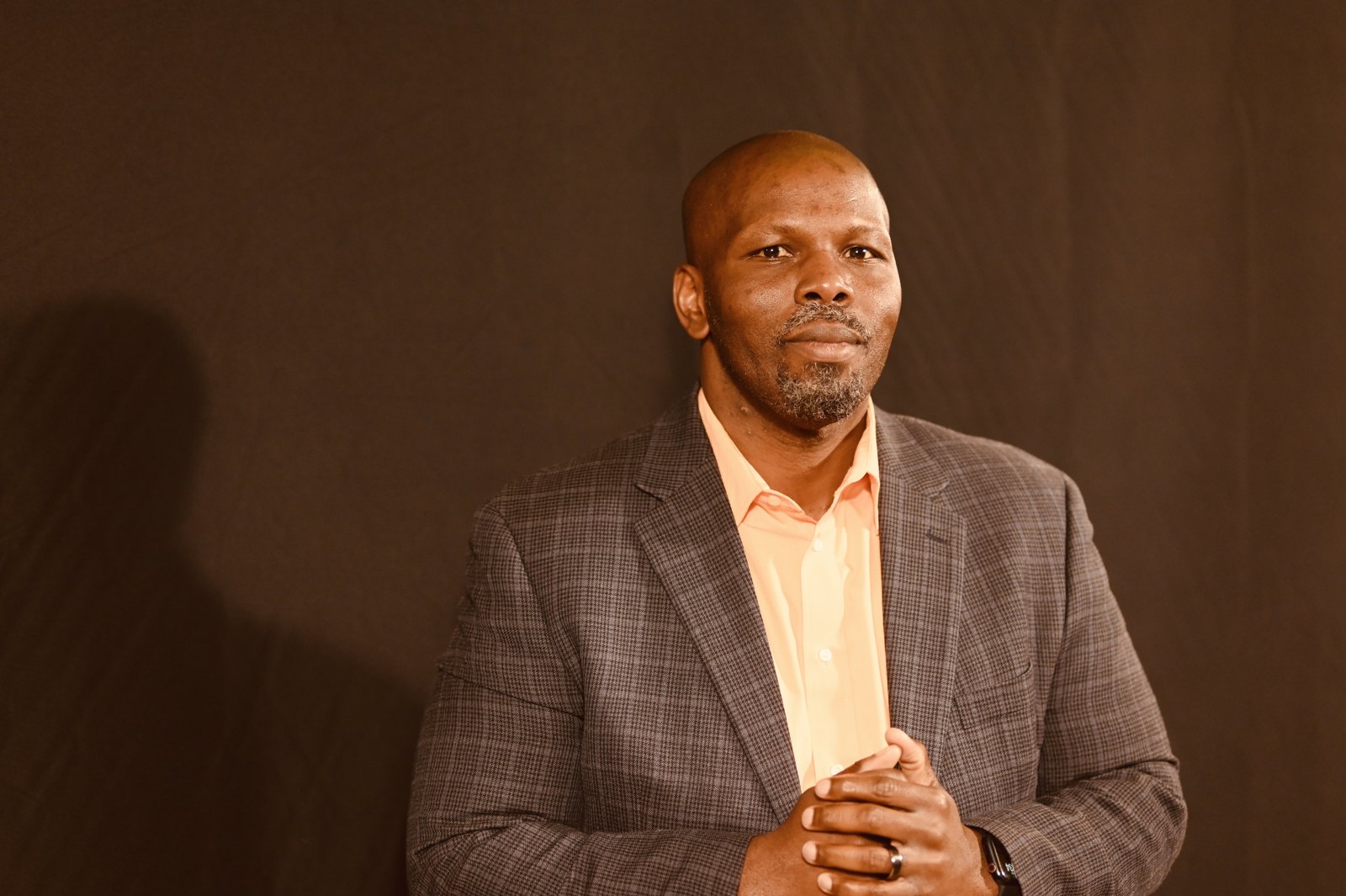
Twenty-three years in Texas public education. A full career of running campuses, leading safety teams, and making the exact decisions most training programs only theorize about.
"I spent 23 years inside Texas public education. I know what it looks like when a drill falls apart because staff were trained on slides, not scenarios."
— Michael Peck, M.Ed., MBA · Founder, High Impact ProgramsMichael spent his entire career in Texas public education before founding High Impact Programs. He held roles ranging from campus operations to district-level safety program management across large Houston-area districts.
That career included real critical incident responses — not tabletop exercises or post-event consultations, but actual incidents on actual campuses where the decisions he and his colleagues made had real consequences.
The Sentinel Series was not built from research and best practices imported from outside the school environment. It was built from 23 years of operational experience in one of the most complex school systems in the country.
That is the difference between a trainer who knows the research and one who has stood in the hallway when it was not a drill.
School safety training has a vendor problem. The market is full of organizations that sell competence they have never had to demonstrate in an actual school building.
The typical vendor profile: a retired law enforcement officer who has been inside schools during incidents but has never managed the day-to-day operational safety environment of a campus. Or a university researcher who knows the literature but has not stood in front of a staff of 80 substitute teachers at 6:45am on a Tuesday in October.
Michael has done both. He has managed the day-to-day. He has been there during incidents. He has delivered training to the exact audiences he is now asking to take this curriculum seriously.
That is a different conversation — and safety directors, superintendents, and campus leaders know the difference within about 10 minutes.
If your district uses CRASE, ALICE, or I Love U Guys SRP, the Sentinel Series builds capacity on that foundation. The goal is not to displace what your staff already knows — it is to deepen the training culture that makes any protocol executable under pressure.
CRASE provides an important foundation in threat recognition and response. The Sentinel Series extends that foundation into protocol fluency, scenario practice, and administrative accountability structures.
ALICE gives staff options-based decision frameworks. The Sentinel Series extends that into the operational context of daily campus safety culture — the habits that make options-based response credible under pressure.
The Standard Response Protocol and Standard Reunification Method are the protocol language the Sentinel Series is built on. SRP/SRM-certified districts have the terminology. The Sentinel Series builds the execution capacity behind it.
Thirty minutes. No slides. No vendor presentation. An honest conversation about where your district is, where it wants to be, and whether the Sentinel Series closes that gap.